Flat Clearance Teddington: Recycling and Sustainability Commitment
At Flat Clearance Teddington we take an active role in promoting an eco-friendly waste disposal area and creating a genuinely sustainable rubbish area for flats across the town. Our approach combines careful on-site sorting, partnerships with reuse organisations and a concrete operational plan that reduces landfill, supports local charity reuse and lowers transport emissions. Whether you need a full Teddington flat clearance or a one-off removal, our systems prioritise materials recovery and community benefit while keeping disruption to a minimum.Practical Steps for Sustainable Flat Clearance
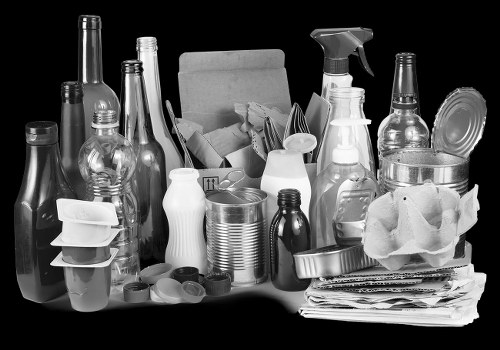
We embed sustainability into every clearance: initial assessment, segregated removal, and destination tracking. The Richmond upon Thames and neighbouring boroughs encourage separate collection of food waste, dry recyclables (paper, glass, cans) and controlled disposal of hazardous items; we align our procedures to match that local approach. Our team provides clear sorting at source, placing reusable furniture, textiles and working appliances on a reuse route rather than sending them to landfill. Every item that can be reused or recycled is diverted.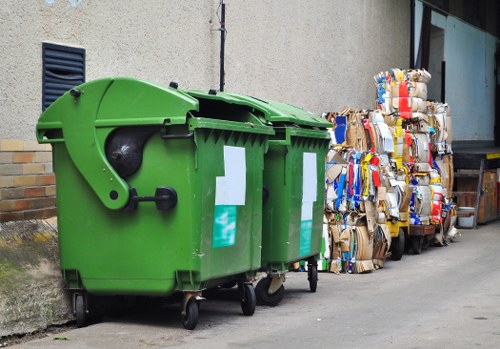 Our recycling targets are measurable and stretching: we aim for a recycling percentage target of 65% of all clearance material within the first 24 months of our revised programme, increasing to 75% within five years. These figures cover material diverted to council recycling centres, specialist recyclers and charity partners. We publish routine summaries of tonnages and diversion rates so progress is transparent, and we continually review practices to identify additional materials to recover or pathways to new reuse partners.
Local Transfer Stations and Responsible Destinations
We work closely with the network of local transfer stations and recycling centres serving Teddington and nearby communities. Materials that cannot be reused are taken to authorised transfer stations and certified processing facilities across Richmond, Kingston and Twickenham areas, ensuring legal compliance and high recycling standards. Where appropriate, items are routed to specialist processors—electronics to WEEE recyclers, wood to biomass or chipping facilities, and metals to local scrap processors—so nothing recyclable is needlessly landfilled.
Charity Partnerships and Reuse Channels
Central to our sustainable rubbish area is reuse. We maintain formal partnerships with national and local charities and reuse organisations to maximise the social and environmental value of cleared items. Our collaborators include well-known national charities and community groups that accept furniture, clothing and household goods, plus smaller local projects that prioritise free collection for those in need. Typical donation categories include:- Working furniture and lamps for charity shops or community centres
- Clothing and textiles redirected to local reuse schemes
- Functional appliances refurbished or passed to social enterprises
Where items are unsuitable for donation, we source specialist recyclers to recover materials. This partnership model reduces waste, supports local causes and keeps usable goods in circulation.
Our operational fleet and logistics are built around cutting transport emissions. We use a mix of low-carbon vans, including electric and hybrid vehicles, for short urban runs and optimized routing software to reduce mileage and idling. The result is fewer journeys, reduced CO2 per job and quieter neighbourhood operations. We also adopt load consolidation techniques so fewer vehicles are needed for multiple clearances in the same area, and where appropriate we schedule collections to align with local transfer station opening hours to avoid extra handling.
Within the cleared property we implement an organised, labelled sorting system to create a true sustainable rubbish area rather than a temporary jumble. Hazardous items (batteries, paints, solvents) are separated and delivered to authorised hazardous waste points. Bulky recyclables like mattresses, wood and metal are dismantled or segregated on-site to improve recycling yield. Our staff are trained to advise residents on borough-level schemes—such as food caddies and dry recycling streams—and to fit our processes around local waste separation rules to make subsequent processing smoother for council contractors.
 Measured Commitments and Community Benefits: we set concrete annual commitments and report against them. Examples of current pledges include: diverting a minimum of 65% of clearance material to recycling or reuse in year one; donating at least 15 tonnes of usable furniture and textiles to partner charities annually; and reducing fleet emissions by 40% over three years through vehicle upgrades and routing improvements. These targets are backed by practical metrics—tonnes diverted, number of charitable pickups and CO2 emissions estimates—so progress is verifiable.
 In summary, whether you search for 'flat clearance Teddington', 'Teddington flat clearance' or 'flat-clearance services in Teddington', our sustainability-first model delivers an eco-friendly waste disposal area and a managed, durable sustainable rubbish area on every job. We combine local knowledge of borough waste separation policies, partnerships with charities and reuse networks, responsible transfers to local recycling centres, and a low-carbon vehicle fleet to reduce environmental impact. By choosing a clearance approach that emphasises reuse, recovery and emissions reduction, residents and landlords help keep reusable goods in circulation, cut landfill and support local causes—creating a cleaner, greener Teddington for everyone.